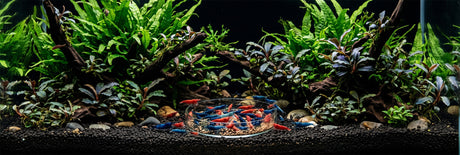
In the aquatics scene, there's a lot of talk about "pure nature." But if we take a realistic look behind the glass panes, we realize: Without plastic, our hobby in its current form would be unthinkable. From nano tanks for shrimp to high-end aquascapes – plastic is the technical backbone that makes aquatics safe, functional, and, most importantly, affordable.
The Supporting Pillar: How Plastic Has Democratized Aquatics
If we only had materials like glass or ceramics available, aquatics would be an elite luxury for a few. Plastic has made the hobby accessible to everyone.
1. Affordability Through Modern Manufacturing
Filter housings, mounts for clip-on lights, or hose connectors made of special glass are visually appealing but extremely expensive to manufacture and very fragile. Plastic allows for the mass production of precise and durable components. This significantly reduces acquisition costs, leaving budget for what matters most: your shrimp, crayfish, and plants.
2. Functionality in the Invertebrate Home
Plastic is corrosion-resistant. It operates silently in your filter, safely guides water through hoses, and offers enormous robustness compared to glass. A plastic filter housing easily withstands the rigors of everyday aquarium life, whereas other materials could crack immediately with minor bumps.
Where is Plastic Found Everywhere?
It's amazing how much technology we use daily that wouldn't work without polymers:
- Filter Technology: Housings, impellers (vanes), and intake baskets.
- Filter Media: Highly porous filter sponges (polyurethane) that provide the most important colonization surface for pollutant-degrading bacteria.
- Accessories: Hoses, valves, feeding dishes, and protective grids for baby shrimp.
The Bad Reputation: Cheap Decor vs. Quality Plastic
Criticism of plastic in aquariums is often heard. This usually stems from negative experiences with cheap decorative items.
Many low-quality decorative objects (such as brightly painted figures or artificial rocks) are made of plastic, but are coated with inferior paints or dyes. Over time, these layers dissolve in the water. The result:
- Pollutants enter the water cycle.
- Colors fade or flake off.
- Sensitive invertebrates like shrimp react with symptoms of poisoning.
In our shop, we clearly distance ourselves from such products. We do not sell painted or lacquered plastic decorative items that could release their color into the water. If we offer plastic products, they are made of solid-colored material or natural, tested components.
Safety Through Food-Grade Quality
In invertebrate keeping, we make no compromises. High-quality plastic in aquatics is:
- Food-grade: It does not release plasticizers (like Bisphenol A) or chemical residues.
- UV-stable: PETG, for example, does not become brittle under intense lighting.
- pH-neutral: It behaves absolutely inertly and does not affect the water parameters of your animals.
Conclusion
Plastic is not a "cheap substitute" but a highly functional material that makes aquatics safe and affordable for everyone. It's not about "whether," but about "what." Those who rely on high-quality, food-grade plastic and avoid inferior, lacquered imported goods create a perfect environment for their invertebrates.