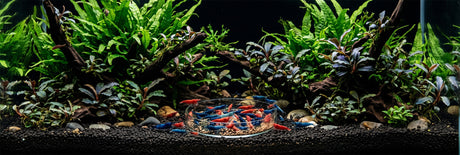
When you browse modern shrimp aquariums, one decorative element almost always immediately catches the eye: hollow, porous wooden tubes that look like fascinating works of nature. We're talking about Vuka wood, better known in English-speaking countries as Cholla Wood.
But behind this extraordinary appearance lies a secret: Vuka wood is not a classic tree wood in the botanical sense. In this article, we'll discover where this natural product comes from, why it's an absolute magnet for shrimp and small fish, and how you can use it to green your aquarium without glue.
What exactly is Vuka Wood? (A look into the desert)
Vuka wood originates from the arid desert regions of North America and Mexico. There, the so-called Cholla Cactus (Cylindropuntia) grows. When the plant dies at the end of its life cycle, the soft pulp rots away, and the intense sun completely dries out the woody inner skeleton.
What remains is an extremely stable, hollow tube with a unique, honeycomb-like hole pattern. After thorough cleaning, a 100% pure natural product is created, completely free of chemicals or harmful additives.
Why Vuka Wood is the ultimate highlight for your shrimp tank
Vuka wood not only looks spectacular but also fulfills several vital functions for your inhabitants in the aquarium:
- Paradise-like hiding places: The hollow tube shape and countless side holes make Vuka wood perfect caves. Especially freshly molted shrimp or newborn fry immediately find protection from curious onlookers here.
- Inexhaustible biofilm grazing: The rough, porous lattice structure provides a gigantic surface area. Useful filter bacteria and a thick biofilm quickly settle here – the absolute favorite food of shrimp, snails, and sucking catfish.
- Gentle water care: As it slowly decomposes, the wood releases valuable humic substances, magnesium, and potassium into the water, which supports the vitality and shell formation of your invertebrates.
Attaching plants made easy: Completely without glue!
A huge plus for aquascaping fans is the practical lattice structure. Anyone who wants to attach epiphytic plants like Bucephalandra, Anubias, or mosses knows the frustration with liquid superglue or fiddly nylon thread.
With Vuka wood, you simply stick the roots or small moss clumps directly into the existing holes of the cactus wall. The plants immediately find a firm hold, grow through the lattice, and quickly transform the wood into a green, blooming tree or tunnel.
Natural vs. Light: Which variant suits your setup?
Since tastes differ and every aquarium layout requires a different color harmony, at ShrimpPuddle we offer two elegant variants:
| Variant | Appearance & Processing | Ideal for |
|---|---|---|
| Natural variant | Untreated, wild with darker, natural wood coloring. | Natural biotop aquariums, blackwater setups, and rustic jungle tanks. |
| Light variant | Gently sandblasted. Free of loose dust, with a very light, powdery hue. | Modern aquascapes, light sand zones, and very clean, contrasting contours. |
Application tip: Since it is a very light, dried cactus skeleton, freshly introduced Vuka wood initially floats. Simply soak it in a bucket for 1 to 3 days or weigh it down briefly in the tank – once it has absorbed water, it will reliably stay on the bottom.
Vuka Wood (Cholla Wood) in Natural & Light
Discover our carefully selected Vuka wood in various lengths and diameters! Whether the natural variant or the elegant, sandblasted light version – create a natural playground full of hiding places and grazing areas for your shrimp gang.
Conclusion: Natural playground and eye-catcher in one
Vuka wood (Cholla Wood) is much more than just a decorative element. It combines hiding caves, food source, and planting aid in a single natural product. Anyone who wants to do something truly good for their shrimp, crabs, or small catfish is opting for a timeless classic in aquaristics with the cactus skeleton.